
Water Quality
- FYI #293
The following are guidelines specific to Advantage chillers with an internal circulation pump and fluid reservoirs.
Long term performance of your chiller will be adversely affect by poor water conditions. The three major problems water treatment must address are:
SCALING
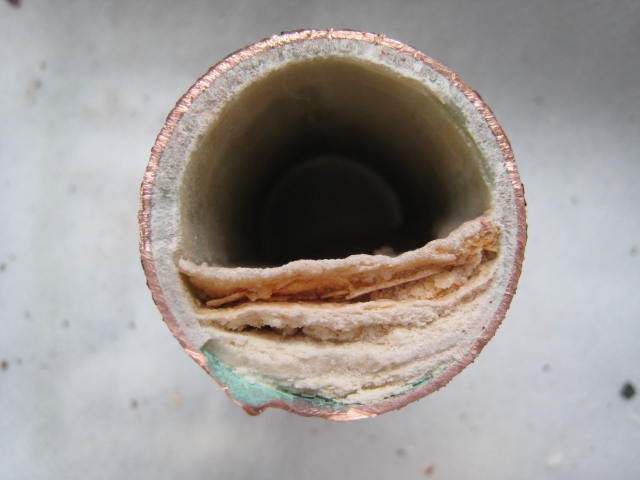
- Scaling of the heat transfer surfaces due to minerals can be minimized by proper treatment and filtering of the make-up water.
- A good quality of water must be used.
- Although not mandatory, distilled water would be an excellent choice for filling the system.
The recommended purity levels are:
| Chlorides | 25 ppm max |
| Sulfates | 25 ppm max |
| Calcium | 50 ppm max |
| Magnesium | 50 ppm max |
| PH level | 8 to 10 |
CORROSION
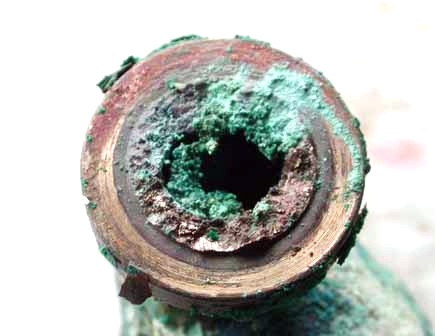
- Corrosion is usually the result of acidic water (improper PH control).
- This can be controlled by proper chemical treatment.
ALGAE
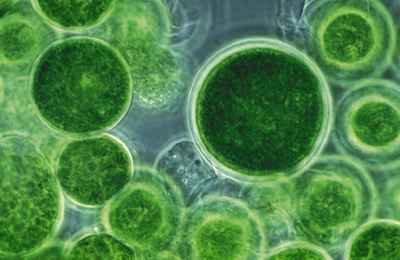
- Algae (organism growth) can be controlled by the proper use of chemical treatment.
Lack of as well as improper water treatment can damage to your equipment.
- The equipment owner is responsible to prevent equipment damage from foreign material or inadequate water treatment.
- The services of a competent water treatment specialist should be obtained and his recommendations followed.
- For small systems, a local swimming pool supply is an excellent source of analysis service and chemical supplies.
- An alternative is the addition of 20% inhibited propylene glycol. This will inhibit corrosion, algae growth and prevent accidental freeze ups.
Sources For Inhibited Propylene Glycol
- Therminol FS : Monsanto Chemical 1-800-459-2665
- Dowfrost : Dow Chemical 1-800-447-4369
- Small quantities of Dowfrost can be purchased from Advantage Engineering.
Freezing Points for Propylene Glycol and Water Solutions
- 320FahrenheitCelsiuswith 100% water and 0% glycol
- 25-3.9FahrenheitCelsiuswith 90% water and 10% glycol
- 25-3.9FahrenheitCelsiuswith 90% water and 10% glycol
- 0-17.9FahrenheitCelsiuswith 70% water and 30% glycol
- -10-23.3FahrenheitCelsiuswith 60% water and 40% glycol
- -30-34.4FahrenheitCelsiuswith 50% water and 50% glycol
- -60-51.1FahrenheitCelsiuswith 40% water and 60% glycol
Download the PDF document
Download PDF